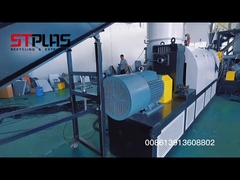
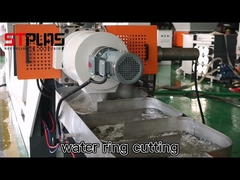
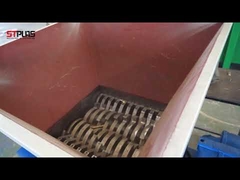
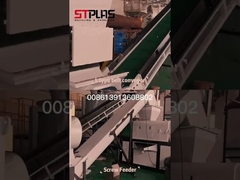
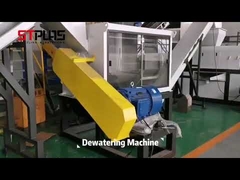
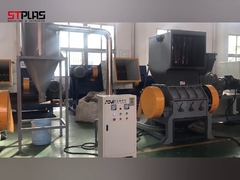
Brief: Discover the Professional Plastic Recycling Pellet Machine Side Forced Feed Extrusion Granulator, designed to recycle waste plastic into reusable pellets. This advanced system is safer and more energy-efficient than traditional granulators, perfect for PE, PP, PET, and more. Learn about its features and technical parameters in this video.
Related Product Features:
Widely applicable to various plastics like PE, PP, PET, LDPE, LLDPE, HDPE, ABS, PC, and PS for efficient recycling.
Mother baby two-stage unit with gas device and screen changer filter ensures strong, smooth, and pure pellets.
Hydraulic head of the die allows non-stop filter operation, boosting production efficiency.
Vacuum or normal exhaust system removes water, gas, and impurities for stable and high-quality pellets.
Safer and more power-efficient compared to traditional compact granulators.
Complete line includes belt conveyor, feeder, extruder, cutting machine, and more for seamless operation.
Customizable two-stage pelletizing line designed to meet specific requirements.
Available in multiple models (SJ100, SJ120, SJ130, SJ150) with varying capacities and power needs.
FAQs:
What types of plastics can the Side Forced Feed Extrusion Granulator recycle?
The granulator can recycle various plastics including PE, PP, PET, LDPE, LLDPE, HDPE, ABS, PC, and PS, making it versatile for different recycling needs.
How does the two-stage unit improve pellet quality?
The mother baby two-stage unit features a gas device and screen changer filter, which discharge gas multiple times and filter impurities, resulting in strong, smooth, and pure pellets.
What are the advantages of the hydraulic head in the die?
The hydraulic head allows for non-stop filter operation, significantly improving production efficiency by eliminating downtime for filter changes.
Is the granulator more energy-efficient than traditional models?
Yes, the Side Forced Feed Extrusion Granulator is designed to be safer and more power-efficient compared to traditional compact granulators, saving energy during operation.